Eight art shows explore reality, illusion and the need for change
My Brush With Madiba
Video: Filmmaker Cyrus Sutton creates the ultimate surf van
Dark Noise Collective Part II: Franny Choi and Nate Marshall
What to Pack and Prepare Before Checking Into a Residential Rehab Program
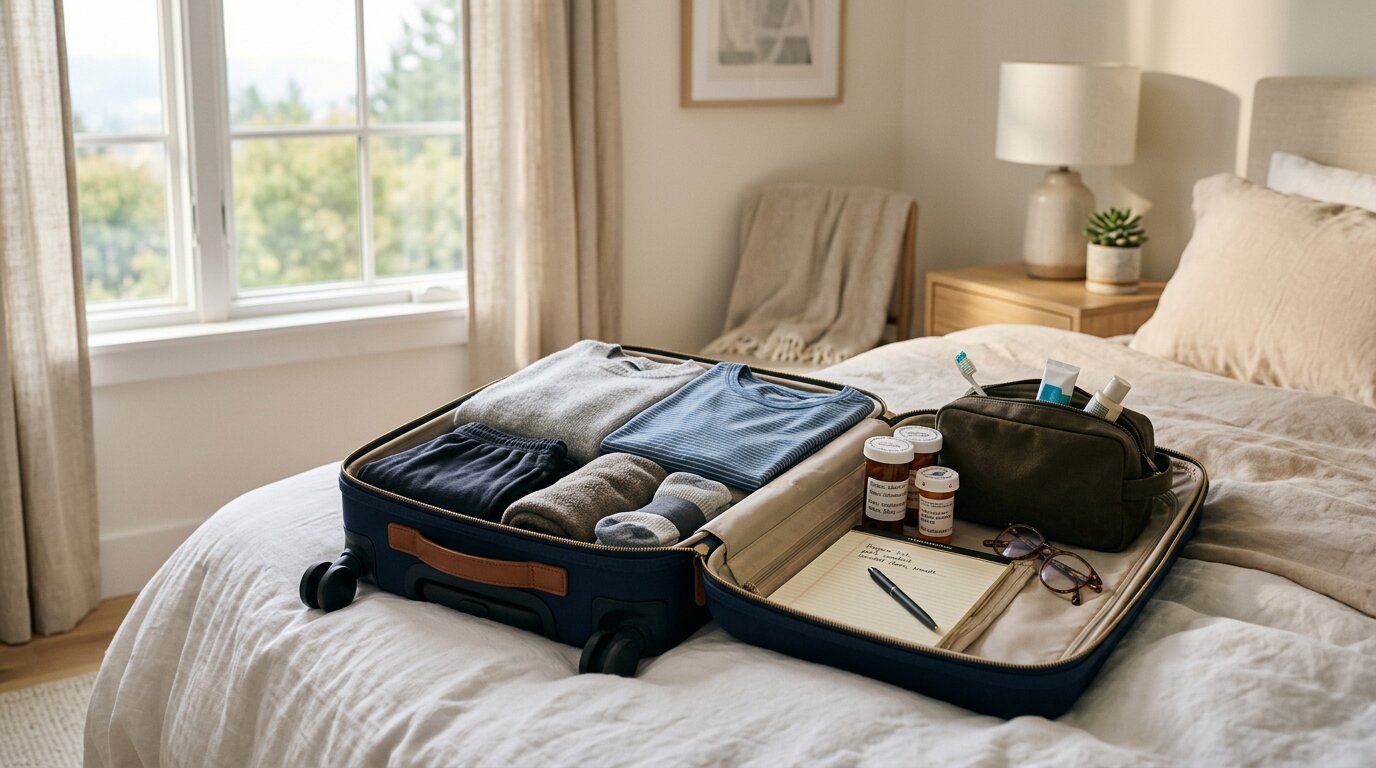
When you’re getting ready to check into residential rehab, what you bring and what you leave behind can shape your first days more than you might expect. You’ll need specific documents, the right clothes, and only certain personal items. Some belongings that feel essential at home may not be allowed at all.
To avoid last‑minute stress at intake and focus on treatment instead, you’ll want a simple, clear packing plan that covers many different aspects of everyday life.
Your Rehab Packing Checklist: Start Here
Before you pack, review what you actually need for a residential rehab stay so you can complete check-in without delays. Have your government-issued photo ID, insurance card, and a written list of all current medications and dosages ready, as these are typically required during intake.
Pack 7–10 days’ worth of comfortable, season-appropriate clothing, sleepwear or a robe, athletic shoes, and shower sandals. When possible, bring unopened, alcohol-free toiletries in reasonable quantities, usually about a 30‑day supply.
Keep all prescription medications in their original labeled containers, with approximately a 30‑day supply, and bring any relevant medical records, including information about chronic conditions or recent treatments. Pack necessary vision items such as glasses, contact lenses, and cleaning solution.
Avoid items that are commonly restricted in rehab settings, including products containing alcohol, weapons, drugs not prescribed to you, and any other items the facility’s guidelines identify as prohibited.
Treatment centers such as Recovery Beach in Orange County, CA, will usually issue a checklist to guide what you can and cannot bring, confirm required documents and medication procedures, and help ensure a smooth, timely intake.
Rehab Rules and Packing Limits to Know
Although each residential rehab center has its own policies, most follow comparable guidelines regarding what you can bring and in what quantity. Staff typically inspect and inventory your belongings during intake, and prohibited items such as drugs, alcohol, weapons, sharp objects, and sometimes gaming devices are usually confiscated or sent home.
Essential Documents and Medical Information
As you prepare for residential rehab, organizing essential documents and medical information allows staff to complete admission efficiently and support safe, consistent care from the start.
Bring a government‑issued photo ID and your insurance card for identity verification and billing.
Pack all prescription medications in their original pharmacy containers, preferably with about a 30‑day supply, along with a written list that includes medication names, doses, prescribing clinicians, and pharmacy or prescription numbers.
Include a brief summary of your medical and mental health diagnoses, allergies, and contact information for your current medical and behavioral health providers.
List at least two emergency contacts with phone numbers and their relationship to you.
Bring any required medical records requested by the facility, as well as required medical devices and health supplies, such as CPAP equipment, inhalers, EpiPens, insulin, blood glucose monitors, and corrective lenses or contact lenses with solution.
Over‑the‑counter medications, vitamins, or supplements should be in unopened, original packaging and are typically subject to prior approval by the facility to ensure safety and compatibility with your treatment plan.
Clothing, Shoes, and Comfort Items for Rehab
When packing clothing and comfort items for residential rehab, prioritize simple, functional pieces that will keep you comfortable during groups, activities, and rest periods.
Plan for about a week’s worth of loose-fitting, breathable tops and bottoms, along with sleepwear and, if useful, a robe. This allows you to rotate items with weekly laundry, which is common in many programs.
Footwear should be practical and supportive. Closed-toe sneakers or walking shoes are typically most appropriate, and shower flip-flops may be useful if the facility permits them.
Pack weather-appropriate layers such as a hoodie, light jacket, sweater, rain gear, or a warmer coat, depending on the climate and season.
Choose items that are machine-washable and easy to care for, and consider labeling your clothing to reduce the chance of mix-ups in shared laundry facilities.
Ensure you bring a sufficient supply of socks and undergarments.
If the program schedule includes family visits, spiritual services, or special events, one or two modest, slightly dressier outfits may also be appropriate.
Toiletries and Other Supplies to Pack
A well-organized toiletry kit can support a smoother rehab intake process and reduce potential complications.
This information helps staff verify your regimen and coordinate ongoing care.
Toiletries are generally preferred in new, sealed containers for safety and hygiene reasons.
Select alcohol‑free products when possible, especially mouthwash, and avoid items that list alcohol among the first ingredients, as these may be restricted in some programs.
Standard items include a toothbrush, toothpaste, shampoo, soap, deodorant, a comb or brush, and any needed feminine hygiene or shaving supplies.
Check the facility’s policy on razors or other sharp items, as rules differ.
Electronics, Money, and Home Logistics Before You Leave
Before finalizing your packing, make practical plans for your electronics, finances, and basic home responsibilities so you can concentrate on treatment rather than unresolved tasks.
First, confirm the rehab facility’s policy on electronics. Many programs limit smartphone use or allow it only during designated times. Ask specifically which devices are permitted (such as cellphones, tablets, or laptops), whether internet access is available, and how devices are stored or monitored. This can help you decide what to bring and reduce the risk of items being confiscated or unusable.
For money and documents, bring only what's necessary: your insurance card, one primary credit or debit card, and a small amount of cash (often $50–$100 is sufficient) for incidental expenses such as vending machines or small purchases, if allowed. Leaving nonessential valuables at home lowers the chance of loss or theft and simplifies admission.
Before admission, address key home logistics. Make arrangements for pet care, such as a trusted sitter, family member, or boarding facility. Set up a mail hold or forwarding with your local post office to prevent mail accumulation. Use automatic bill pay where possible so essential payments such as rent, utilities, and insurance continue without interruption.
If you think you may arrive with items that aren't allowed, contact the admissions office in advance to ask how those belongings will be handled, including whether they can be stored securely, mailed home, or returned to a family member.
Conclusion
As you get ready to check into residential rehab, focus on packing only what supports your recovery. Bring the right documents, meds, clothes, and toiletries so intake goes smoothly and you can settle in quickly. Tie up loose ends at home, limit distractions, and follow your facility’s rules. You’re not just packing a bag—you’re preparing for a fresh start. Take a deep breath, trust the process, and give yourself permission to begin.